Commercial Refrigerant Regulations Are Changing: What Foodservice Operators Need to Know
October 29, 2026

Commercial refrigeration is changing, and restaurant and foodservice operators are starting to see those changes in the equipment available on the market. Federal regulations under the American Innovation and Manufacturing (AIM) Act are reducing the production and consumption of hydrofluorocarbons (HFCs) and restricting certain higher-impact refrigerants in new refrigeration and HVAC equipment and systems.


That does not mean every walk-in cooler, reach-in refrigerator or other existing refrigeration system needs to be replaced. The transition is primarily forward-looking, but understanding what is changing can help operators make better decisions when equipment needs service or eventually reaches the end of its useful life.

Why Are Refrigerants Changing?

HFCs are a group of refrigerants commonly used in refrigeration and air conditioning. Many HFCs have a high Global Warming Potential, or GWP, which is a measure of a greenhouse gas's climate impact relative to carbon dioxide.


Under the AIM Act, the United States is phasing down HFC production and consumption by 85% from historical baseline levels by 2036. EPA's Technology Transitions Program also restricts the use of certain higher-GWP HFCs in specific types of new refrigeration, air conditioning and heat pump products and systems.


The details are not the same for every piece of equipment. Compliance dates and refrigerant limits vary by equipment type, application and other factors. EPA also revised certain Technology Transitions requirements in May 2026, which is another reason operators should avoid treating the transition as one universal deadline.

Do Existing Refrigeration Systems Need to Be Replaced?

No. The EPA states that its Technology Transitions rules do not require owners to stop using existing refrigeration or air conditioning systems simply because they use a higher-GWP refrigerant. Existing systems can continue to be used and repaired throughout their useful life, and components can continue to be available for servicing legacy equipment, subject to applicable requirements.


For foodservice operators, that distinction matters. A regulatory change affecting new equipment does not automatically turn an operating walk-in cooler or reach-in refrigerator into obsolete equipment.

What Should Foodservice Operators Pay Attention To?

As refrigeration technology changes, it becomes increasingly useful to know what refrigerant your current equipment uses. That information can help provide context when evaluating service needs and planning for future replacement.


When new equipment is needed, refrigerant type is becoming another factor to consider alongside capacity, efficiency, application and long-term serviceability. New commercial refrigeration equipment is increasingly using refrigerants with lower environmental impact as manufacturers adapt to changing federal requirements.


Operators do not need to become refrigerant experts. They do need service partners who understand both legacy systems and the newer equipment entering commercial kitchens.

ATECH Can Help You Navigate the Transition

ATECH's factory-trained, CFESA-certified refrigeration technicians service commercial refrigeration equipment throughout Tennessee. Our team can help identify the refrigerant used in existing equipment, diagnose refrigeration problems and provide the technical information operators need when deciding whether to repair or replace a system.


Refrigerant regulations will continue to shape the commercial refrigeration industry, but the right decision will still depend on the equipment in front of you. Understanding what you have, how it is performing and what options are available can help you plan for the transition without replacing equipment unnecessarily.


Have questions about your commercial refrigeration equipment? Contact ATECH for commercial refrigeration service and Planned Maintenance throughout Tennessee.


Source note: Technical and regulatory details verified against current U.S. EPA AIM Act and HFC Technology Transitions guidance, including EPA's May 26, 2026 final rule revisions.
Call Us
By markl • September 30, 2026
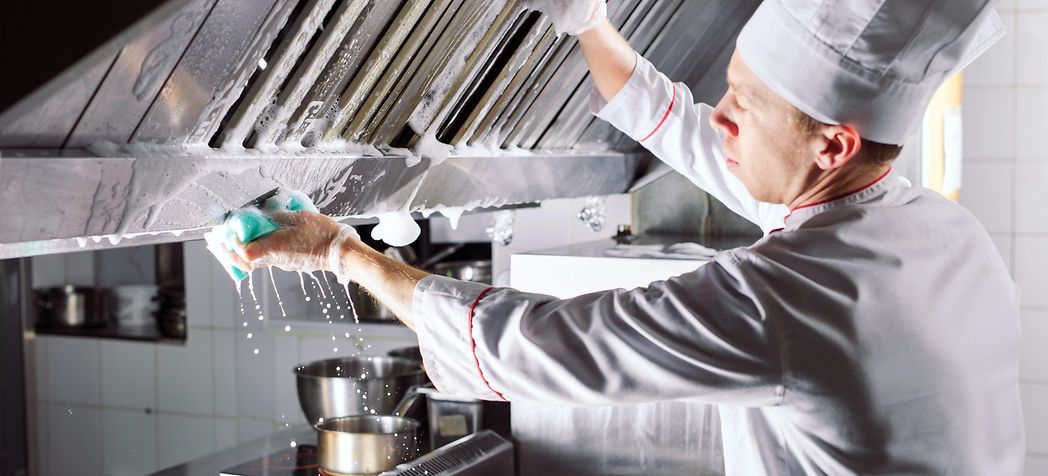
A sudden increase in your restaurant’s utility bill might not just be the result of higher energy rates. Commercial kitchens are some of the most energy-intensive spaces in a building. Refrigeration runs around the clock. Cooking equipment produces significant heat. HVAC systems work to maintain comfortable temperatures while exhaust systems continuously move conditioned air out of the building. When any of that equipment begins operating inefficiently, the difference can show up on your utility bill before you experience a complete equipment failure.  If your restaurant’s energy costs are climbing without an obvious explanation, here are three areas worth investigating.
By markl • August 31, 2026
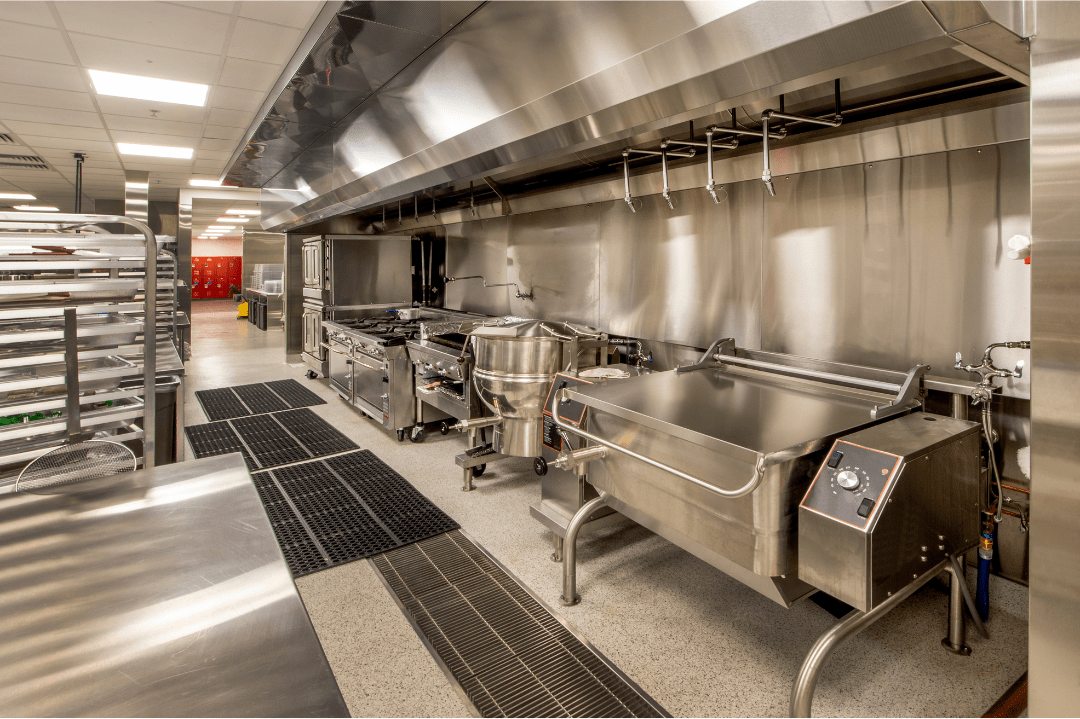
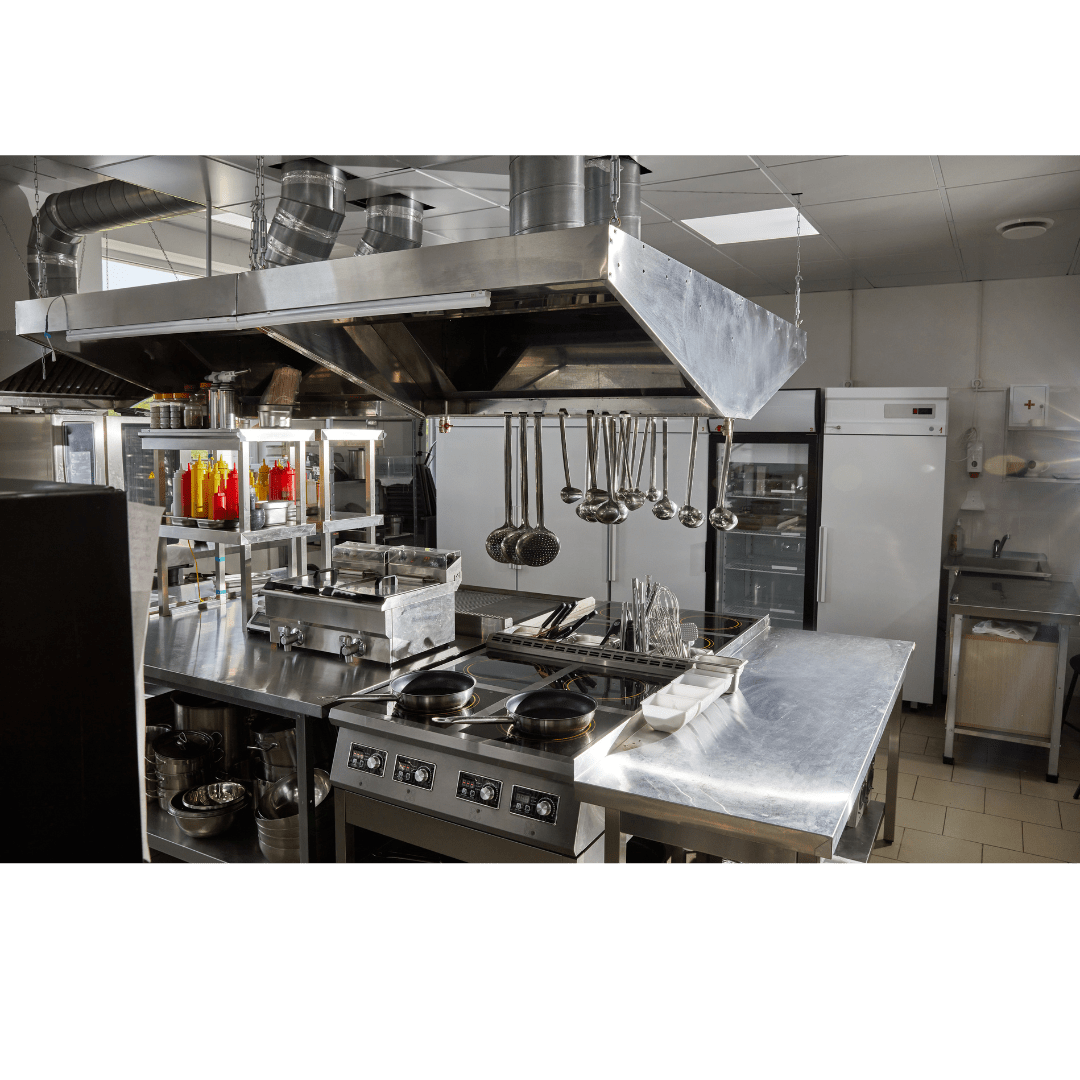
Commercial kitchens depend on multiple pieces of equipment every day. When even one system goes down, it can slow production, interrupt service and create unexpected expenses. ATECH helps businesses keep their operations running by providing repair and Planned Maintenance for a wide range of commercial foodservice, refrigeration, ice machine and HVAC equipment. If you are wondering whether ATECH services your equipment, here is a closer look at the primary categories the team repairs.
By markl • July 31, 2026
Keeping a commercial kitchen running efficiently takes more than reliable equipment. It also requires the right cleaning and sanitation products. From dish machines and prep areas to floors and cooking equipment, foodservice chemicals play an important role in maintaining cleanliness, supporting food safety and helping equipment perform the way it was designed. Choosing the right products isn't simply about keeping surfaces clean. It's about protecting your operation, your equipment and the people you serve. Here's why your chemical program deserves just as much attention as your equipment.
By markl • March 20, 2024
As the season changes and springtime blooms, it's the perfect opportunity to refresh and rejuvenate your restaurant space. Spring cleaning isn't just about tidying up; it's about ensuring a safe, welcoming environment for your patrons and staff. In this blog post, we'll explore some essential tips and best practices for restaurant cleanliness in the springtime.  Embrace Deep Cleaning : Spring cleaning is the ideal time to tackle those deep cleaning tasks that may have been neglected during the busier seasons. From scrubbing floors and walls to deep cleaning kitchen equipment, thorough sanitation ensures a hygienic environment for food preparation and service. Focus on High-Traffic Areas : Pay special attention to high-traffic areas such as dining areas, restrooms, and entryways. These areas are prone to accumulating dirt, dust, and germs, making regular cleaning essential for maintaining a pristine appearance and preventing the spread of illness. Refresh Outdoor Spaces : If your restaurant has outdoor seating areas, spring is the perfect time to freshen them up. Clean outdoor furniture, sweep away debris, and power wash outdoor surfaces to create an inviting atmosphere for al fresco dining. Check and Replace Equipment Filters : Don't forget to inspect and replace filters in HVAC systems, refrigeration units, and ventilation hoods. Clean filters help maintain air quality and prevent the buildup of contaminants, ensuring a healthy indoor environment for both customers and staff. Engage Staff in Cleaning Initiatives : Encourage staff members to take pride in the cleanliness of the restaurant by involving them in spring cleaning initiatives. Assign specific tasks and provide training on proper cleaning procedures to ensure consistency and effectiveness. Implement Regular Maintenance Schedule : Establish a regular maintenance schedule to keep up with cleaning tasks throughout the year. By incorporating daily, weekly, and monthly cleaning routines, you can maintain a high standard of cleanliness and prevent the accumulation of dirt and grime. Invest in Quality Cleaning Products : Choose cleaning products that are effective yet environmentally friendly. Look for products that are certified as safe for use in foodservice establishments and follow manufacturer recommendations for proper application and usage. Monitor and Adjust Cleaning Protocols : Continuously monitor cleaning protocols and adjust as needed based on feedback, customer traffic, and changing regulations. Regular evaluation ensures that your cleaning practices remain effective and in compliance with industry standards. Spring cleaning is an essential aspect of restaurant maintenance that goes beyond just aesthetics. By implementing thorough cleaning routines, engaging staff members, and investing in quality cleaning products, you can create a safe, hygienic environment that enhances the dining experience for your customers and promotes a healthy work environment for your staff. As you embark on your spring cleaning journey, remember that ATECH is here to support you with a wide range of cleaning and maintenance solutions tailored to meet the unique needs of your restaurant. Happy spring cleaning!
By markl • January 26, 2024
Winter is here, and at ATECH, we understand the unique challenges businesses face in keeping their commercial equipment running smoothly during the colder months. In this comprehensive guide, we'll delve into the strategies, tips, and success stories that can help your business navigate winter effortlessly. From equipment maintenance to emergency services, consider this your go-to resource for mastering winter with ATECH. Winter Equipment Maintenance Tips Checklist for Winter-Ready Equipment: Inspect Seals and Gaskets : Ensure a tight seal to prevent cold air leakage. Check Insulation : Evaluate the insulation of walk-in coolers and freezers. Clean and Sanitize : Thoroughly clean and sanitize all equipment surfaces. Temperature Adjustment : Set optimal winter temperatures for each piece of equipment. ATech Maintenance Tips for Different Equipment: Fryers and Grills : Clean and inspect burners for efficient operation. Ice Machines : Check water lines for insulation and replace filters regularly. Heating Systems : Schedule preventive maintenance to optimize efficiency. Electronic Equipment : Keep spaces well-heated and clean to prevent malfunctions. Businesses often grapple with specific equipment failures that can disrupt operations. ATECH understands the challenges posed by heating system malfunctions, electronic equipment performance, and other issues during the colder months. To tackle these common winter-related failures, businesses should prioritize preventive measures. Regular heating system maintenance checks and air filter replacements can prevent malfunctions. For electronic equipment, maintaining ambient room temperature and conducting routine cleaning are key strategies to ensure optimal performance throughout winter. ATECH's Winter Services: A Lifeline for Your Business Winter demands a proactive approach to equipment maintenance, and ATECH stands as the lifeline for businesses navigating the challenges of the season. Our comprehensive winter services go beyond mere repair and include prompt equipment repairs, planned maintenance, and emergency services. With a commitment to same-day service for urgent winter emergencies, ATECH ensures that businesses can rely on swift resolution during critical times. What sets us apart is our team of factory-trained and CFESA-certified technicians, offering not just reliability but a dedicated partnership to keep your business running smoothly through the coldest months. Trust in ATECH, your lifeline in the winter business landscape. Winter doesn't have to be a season of uncertainty for your business. With ATECH by your side, you have a reliable partner dedicated to providing top-notch equipment repairs and maintenance services. Master winter with confidence, knowing that our comprehensive guide and expert services are here to support your business every step of the way. For personalized winter readiness assessments and expert guidance, contact ATECH today. Let's navigate winter together, and keep your business thriving.
December 20, 2023
Run your commercial kitchen like a pro. Here are a few proven ways to gather valuable feedback from your staff.
December 20, 2023
We've compiled some of the most helpful articles we’ve shared this year. Bookmark this page to level up your commercial kitchen equipment repair knowledge.
Commercial kitchen
December 14, 2023
ATECH offers tips and best practices for commercial equipment maintenance, inventory, and budgeting to help restaurants plan for the new year.
a row of 7 colorful juices on a table
By markl • December 5, 2023
ATECH shares insight into its customer relationship with The Urban Juicer in Nashville, Tennessee.
Hire Vet Award Medallions over an American Flag
By markl • November 27, 2023
For the fourth year in a row, the U.S. Department of Labor has awarded ATECH Inc., a Nashville-based employer, with its HIRE Vets Gold Medallion Award.