
Planned Maintenance vs Emergency Repairs: What Foodservice Operators Need to Know
Why Emergency Repairs Are So Common in Foodservice
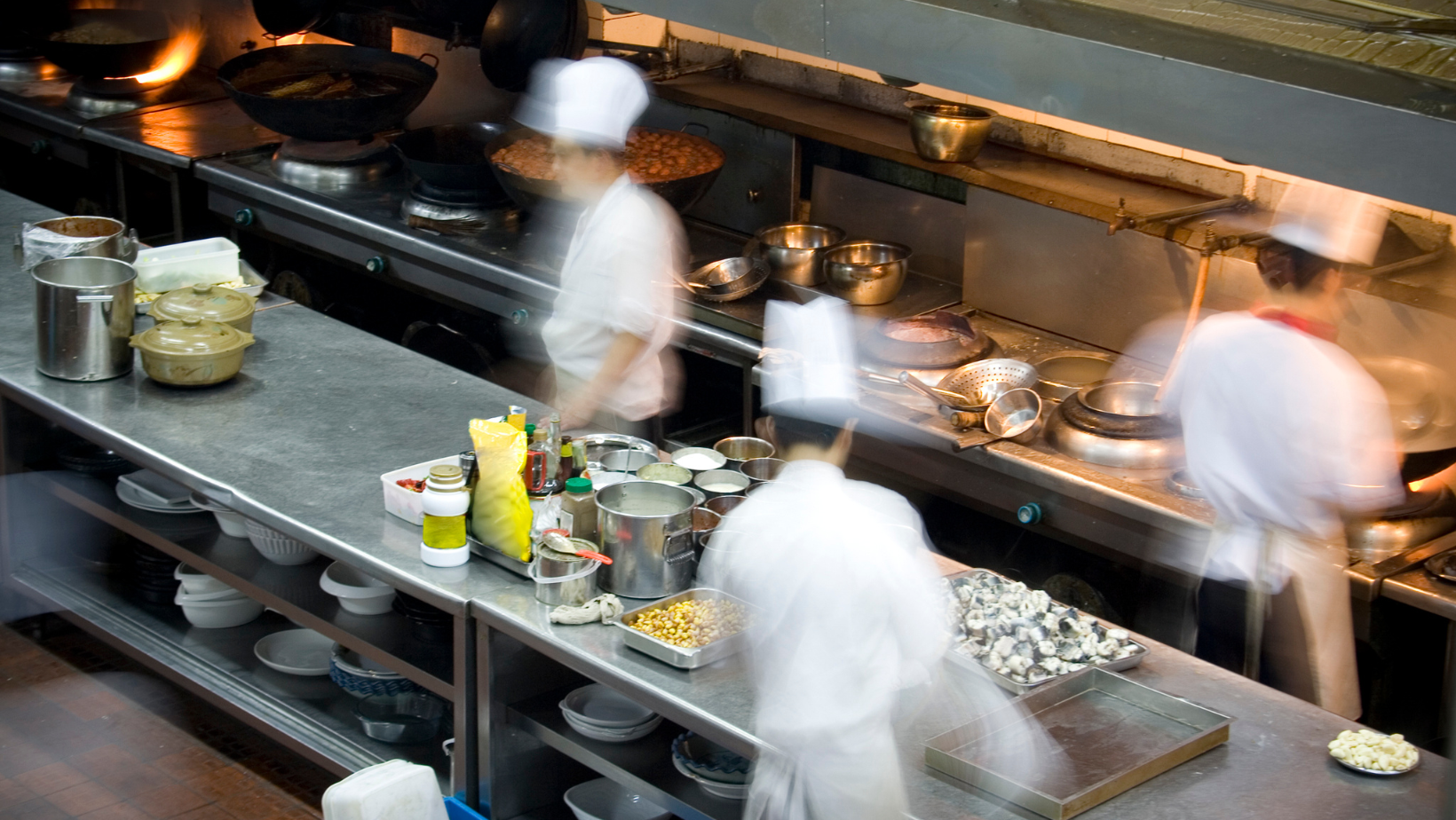
Fast-paced kitchens leave little room for proactive planning. When equipment appears to be running, maintenance often gets pushed aside in favor of immediate operational demands. Many operators adopt a “fix it when it breaks” mindset simply because there’s never a perfect time to take equipment offline.
ATECH technicians often encounter emergency service calls that stem from minor performance issues that went unnoticed. Worn components, airflow restrictions or calibration issues can quietly develop until they result in a full breakdown.
The True Cost of Emergency Repairs
Emergency repair costs extend far beyond the service invoice. When equipment goes down the impact can include:
- Lost productivity during peak service
- Disrupted workflows for staff
- Delayed service or reduced menu offerings
- Increased stress on kitchen and facilities teams
- Potential sanitation or food safety concerns
Because emergencies happen without warning, they often require immediate response regardless of timing or operational conditions. From ATECH’s experience servicing foodservice facilities, this lack of control is what makes reactive service so costly over time.
What Planned Maintenance Changes
Planned Maintenance takes a proactive approach to equipment performance by addressing issues before they lead to failure. Through routine inspections, performance checks and service planning, planned maintenance helps identify wear, inefficiencies and developing problems early.
ATECH’s Planned Maintenance programs are designed to support foodservice equipment, HVAC systems and facility operations by reducing unplanned downtime and improving overall reliability. Rather than reacting to breakdowns, operators gain greater visibility into equipment condition and can schedule service at times that minimize disruption.
The Operational Difference Over Time
Operations that rely primarily on emergency repairs tend to experience more frequent disruptions, unpredictable service costs and higher stress levels for staff. In contrast, operations that invest in planned maintenance benefit from:
- Fewer unexpected breakdowns
- More predictable service scheduling
- Improved equipment reliability
- Better long-term cost control
- Increased confidence in daily operations
ATECH works with foodservice operators and facilities teams to implement maintenance strategies that support consistent performance and operational stability.
Why January Is the Right Time to Reevaluate
January is often the first true test of the year for foodservice equipment and HVAC systems. Increased runtime during winter months can expose underlying issues that weren’t apparent before.
Reviewing equipment performance early in the year allows operators to address concerns before peak seasons arrive. ATECH often sees January as a key planning window for facilities looking to reduce emergency service calls later in the year.
A More Controlled Approach to Service
Planned Maintenance isn’t about avoiding service calls altogether. It’s about choosing when and how service happens. For foodservice operators and facilities teams, that control can make a measurable difference in uptime, cost and overall performance.
By shifting from a reactive mindset to a proactive service strategy, foodservice operations can reduce surprises and focus on running smoothly day after day. ATECH supports this approach with experienced technicians, responsive service and Planned Maintenance programs designed specifically for foodservice environments.





Share On: